Millbank Skip Hire — Recycling and Sustainability Commitment
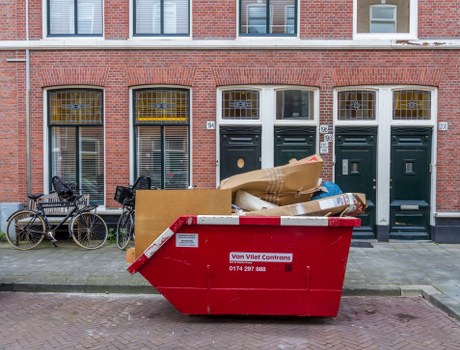 Millbank Skip Hire is proud to lead local efforts in creating an eco-friendly waste disposal area and a resilient, sustainable rubbish area across Westminster and neighbouring boroughs. Our Recycling and Sustainability policy sets out how skips are managed, how materials are separated at source, and how we partner across the local waste ecosystem to maximise reuse and recycling. We believe a practical, measurable approach to green waste disposal helps businesses and residents meet modern environmental expectations.
Our approach to sustainable waste management reflects boroughs' evolving strategies for waste separation — from separate food and garden waste collections to kerbside glass, paper and metal recycling. We align operations with those systems so that materials collected in our skips can be processed at the right local facilities rather than being sent to landfill. This means clearer labelling on our skips and staff trained to advise clients on correct disposal for mixed loads.
Targets and Transparency: A Clear Recycling Percentage Target
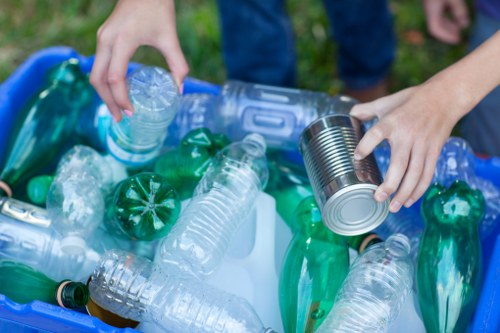
We have set an ambitious, measurable target: to recycle or divert at least 70% of all skip-collected material by 2028. This recycling percentage target is tracked monthly and reported internally so that operational improvements can be made quickly. We publish an annual sustainability summary that explains where material was sent — reuse, recycling, recovery — and what proportion was successfully diverted from landfill. Our goal is to steadily increase that percentage each year by expanding reuse partnerships, improving segregation and working with low-carbon logistics providers.Millbank operates with local transfer stations and authorised materials recovery facilities close to central London to keep the carbon footprint of transport low. We use a network of nearby transfer stations across Westminster, Kensington, Chelsea and surrounding boroughs to ensure material is taken to the correct processing stream — metals to metal recyclers, wood to certified processors, hardcore and inert to dedicated aggregates facilities, and organics to composting plants. Our routing minimises double handling and reduces vehicle miles.
Partnerships with Charities and Reuse Initiatives
We actively work with charities and reuse organisations so items with a second-life are diverted before recycling. Furniture, appliances in working order, and clean construction materials are offered to local charities, community reuse hubs and social enterprises. These partnerships provide social value while further lowering the amount of material needing energy recovery. Our charity partners include local furniture banks, textiles organisations and volunteer-driven reuse centres that operate in boroughs with strong circular-economy ambitions.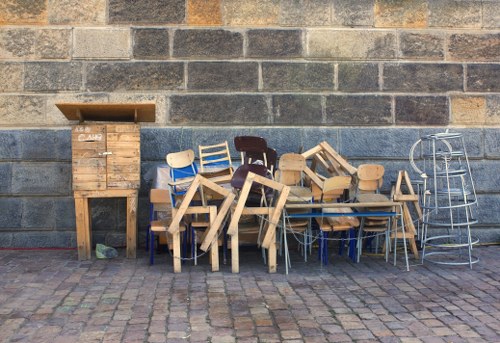 Operational sorting and segregation are central to reaching our targets. On-site separation and clear skip labelling reduce contamination. For mixed loads we use assisted segregation at dedicated transfer facilities and work with local MRFs (materials recovery facilities) to reclaim as much material as possible. We follow borough guidance on food and green waste separation where applicable, and offer specific bins and skips for hazardous items, electronics and batteries to keep them out of general waste streams.
Low-Carbon Vans and Fleet Decarbonisation
Our fleet strategy includes low-carbon vans and gradual electrification to cut Scope 1 emissions. We operate a mix of electric and hybrid vans for local deliveries and collections, plus telematics and route optimisation software to reduce unnecessary mileage. The fleet renewal plan targets full electrification of local delivery vehicles where charging infrastructure permits, and we prioritise low-emission vehicles for inner-city work to support cleaner air in dense boroughs.Key elements of our sustainable operations include:
- Dedicated reuse streams for items suitable for charities and community groups.
- Separate skip types for wood, metal, concrete, mixed construction waste and green waste to maximise recovery.
- Regular audits and performance checks to ensure contamination rates are reduced and recycling percentages improve.
Reporting, Compliance and Continuous Improvement
We maintain robust audit trails from collection through to final processing. All facilities we partner with are fully authorised and compliant with environmental regulations. Our reporting records the tonnage handled, the proportion recycled, reused or recovered, and the residual waste sent for disposal. By monitoring these metrics we identify opportunities to refine operations — whether that means adding a skip for asbestos-safe disposal, increasing signage to improve source separation, or expanding charity pickup windows. Community engagement is part of our sustainability programme. We work with local businesses, developers and resident associations to design site-specific waste plans that reflect borough waste separation rules. Training sessions for site managers and clear skip labelling help end-users put the right materials into each container, reducing contamination and improving diversion rates.
We also support local collection events and make our sustainable rubbish area approach visible by sponsoring community clear-outs and donating reusable items to charities. These activities reinforce circular-economy behaviour and help build a local market for reclaimed materials.
In summary, Millbank Skip Hire treats recycling and sustainability as active, measurable services — not optional extras. By combining a defined recycling percentage target, close collaboration with local transfer stations and charities, careful skip segregation, and a move to low-carbon vans, we create a practical pathway to greener waste collection. Our focus is on delivering an eco-friendly waste disposal area and a resilient, community-oriented sustainable rubbish area that supports borough-level ambitions and reduces environmental impact across central London.